GI identity
The official registered name is Kandhamal Haladi. Haldi is a familiar visitor term, but the GI identity should remain clear.
Kandhamal Haladi is the registered GI turmeric identity of Kandhamal, Odisha. It connects Daringbadi visitors with farmer-led agriculture, traditional cultivation, responsible buying, and the wider Kandhamal spice story.
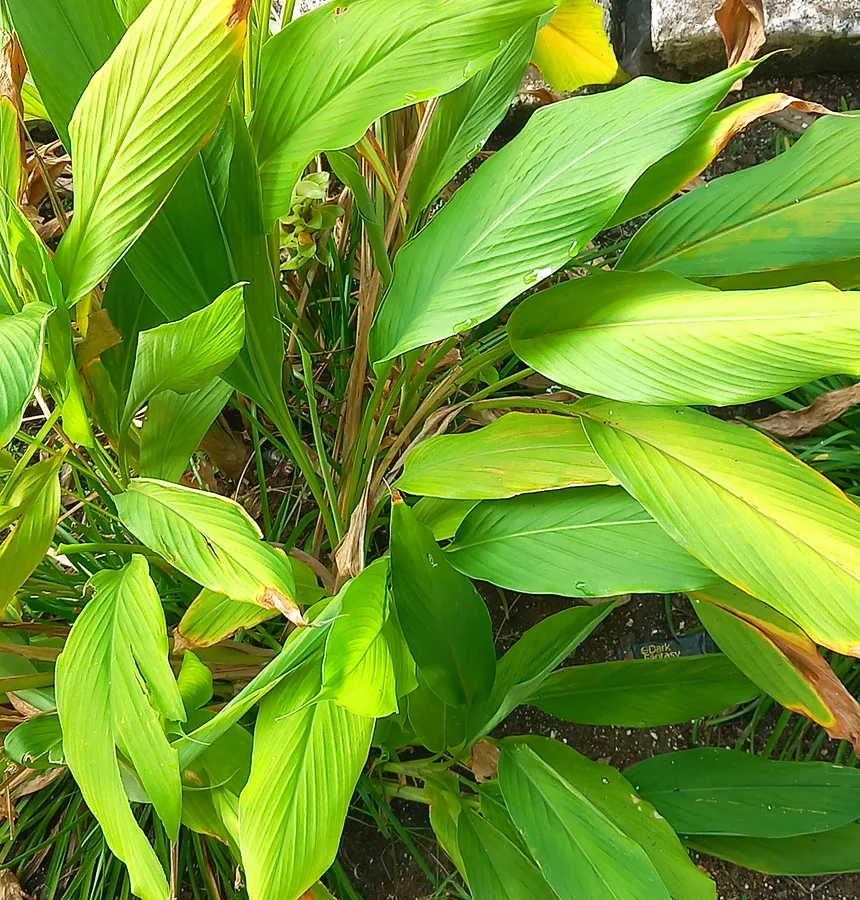
The GI tag is strongest when visitors can see the real system behind it: Kandhamal farmers, KASAM, traditional cultivation, local processing, and responsible purchase. That keeps Haladi rooted in place instead of treating it as a generic souvenir.
The official registered name is Kandhamal Haladi. Haldi is a familiar visitor term, but the GI identity should remain clear.
KASAM, farmer groups, processing, value addition, and fair local sourcing belong at the centre of the story.
Visitors can understand the rainfed crop system, May-June sowing window, mulch use, crop rotation, and post-harvest processing in simple language.
KASAM describes turmeric and ginger cultivation on uplands, hill slopes, and hilltops, with land preparation around pre-monsoon and monsoon showers.
Seeds are sown from the second fortnight of May to the first fortnight of June depending on rainfall, making the cultivation story closely tied to the local monsoon.
The cultivation material highlights no fertiliser or pesticide input, companion crops, crop rotation, and dry Sal leaf mulch for moisture, weed control, and soil protection.
The GI journal describes an eight-month harvest cycle. Rhizomes are processed by boiling, sun drying, and grinding when powder is required.
A strong Haladi route stays practical: GI identity, farmer benefit, real cultivation, verified sourcing, and seasonal planning.
Visitors should see the official GI name, application details, KASAM role, and verified identity before buying or requesting a route.
Farm visits work best through local hosts and seasonal availability, with small groups and clear farmer consent.
Where KASAM or local groups allow it, cleaning, boiling, drying, polishing, powdering, and packaging can become interpretation points.
Responsible buying should guide visitors toward KASAM, local farmer groups, and verified sellers instead of generic market claims.
Pair Kandhamal Haladi with Coffee Garden, Tribal Villages, Pine Forest, and Daringbadi town stays for a balanced half-day or full-day cultural route.
Strong promotion should show turmeric fields, rhizomes, processing, packaging, and farmer context while avoiding unsupported medical claims.
Keep the experience useful for visitors and fair for farmers: learn the GI identity, understand cultivation, buy responsibly, and visit only when hosts approve the timing.
Start with the official name, application details, validity, and KASAM role before treating Haladi as a travel or purchase interest.
Use the route to understand rainfed cultivation, leaf mulch, crop rotation, and the post-harvest journey from rhizome to powder.
Prioritise KASAM, farmer groups, and verified sellers so purchase interest supports the local producer system.
Any farm or processing visit should be arranged seasonally through local hosts and guides, with small groups and clear farmer consent.
The registry name is Kandhamal Haladi. Haldi is a common Hindi visitor term for turmeric, so the page uses both but keeps Kandhamal Haladi as the official name.
The registered proprietor is Kandhamal Apex Spices Association for Marketing (KASAM), based at Phulbani in Kandhamal, Odisha.
Farm access should be arranged only through local hosts, guides, or producer groups, with seasonal confirmation and farmer consent.
Promote GI awareness, farmer-led cultivation context, responsible buying, processing interpretation, and a spice route connected to Daringbadi culture and agriculture.