Highland climate advantage
Kandhamal's cooler, frost-free winter conditions have been reported as suitable for berry quality, aroma, and size compared with warmer plains.
Daringbadi's cool winter climate helped Kandhamal build a strawberry story from a local pilot into SHG-led cultivation. This guide explains the crop, livelihood context, responsible farm-visit etiquette, and why visitors should confirm active plots before planning a strawberry stop.
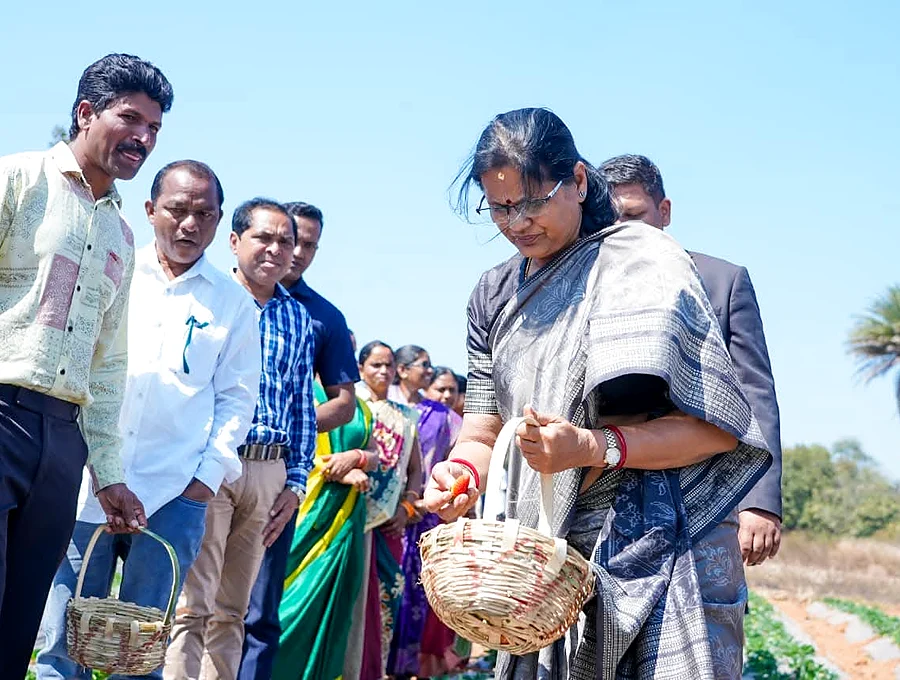
The strongest strawberry page is practical and honest. It should promote Daringbadi's winter farm identity, explain how women self-help groups and horticulture support made the crop visible, and make clear that every farm visit depends on the current crop stage and farmer permission.
Kandhamal's cooler, frost-free winter conditions have been reported as suitable for berry quality, aroma, and size compared with warmer plains.
The strongest promotion angle is local livelihood: women self-help groups, training, input support, and market linkage rather than a generic picnic stop.
Reported plans and training include fresh sales along with processing ideas such as squash, juice, and dried strawberries when production supports it.
Strawberry fields are working farms, not permanent attractions. Visitor access should depend on crop stage, owner consent, and local confirmation.
Farmers prepare well-drained beds, manage soil condition, and use mulch or protected practices where available to keep fruit clean and reduce weed pressure.
Strawberry saplings are planted for the winter cycle with guidance from horticulture teams, keeping spacing, moisture, and plant health under watch.
Consistent moisture, clean beds, and careful field handling matter because the crop is delicate and fruit quality depends on regular care.
Ripe fruit is picked gently, sorted quickly, and moved through local sales or market-linkage channels while freshness is still high.
The next growth opportunity is better packaging, reliable visitor-safe sale points, and small-batch processing when production volume allows.
The route should sell freshness, livelihood, and seasonal authenticity without promising access that a working farm cannot guarantee every day.
Publish strawberry availability only when fields are active, with clear notes for harvest stage, photo access, purchase options, and no-picking days.
Let local SHG members or approved guides explain the crop, training, income model, and care work behind each harvest.
Use small groups, fixed walking paths, no plant touching without permission, and advance confirmation through local hosts.
Direct visitors toward verified farm sales, SHG counters, ORMAS-linked outlets, or official local channels whenever available.
Pair strawberry farm interest with Pine Forest, Coffee Garden, Hill View Park, or a government stay so the route works even if farm access changes.
Use real seasonal photos, short farm notes, and freshness-focused copy instead of overpromising daily picking or permanent attraction status.
Plan the strawberry stop as a respectful farm visit, then keep the day flexible with nearby confirmed attractions and local food or stay options.
Before adding strawberry to a trip plan, check whether active fields, harvest, and host-approved access are available for the travel date.
Stay on paths, keep group size low, ask before photography, and avoid touching plants unless the farmer or host permits it.
When fresh fruit or processed items are available, buy through verified SHGs, farms, or local outlets so the visit supports the producer system.
Build the day around nearby confirmed attractions too, especially Pine Forest and Coffee Garden, because strawberry access can change quickly.
Strawberry access can change with weather, harvest, and farm operations. Pair it with Pine Forest, Coffee Garden, Hill View Park, or a government stay so the itinerary remains useful for visitors and manageable for local hosts.
Explore nearby destinations
No. Kandhamal Haladi has the GI tag. Strawberry is presented here as a high-value Kandhamal horticulture and livelihood story, not as a GI product.
Only if an active farm or SHG host has approved picking for that day. The page avoids promising open picking because fields are seasonal working farms.
The practical window is the winter harvest season, but exact dates depend on planting, weather, and farm operations. Confirm locally before travel.
Pairing creates a reliable visitor route. If farm access is unavailable, nearby confirmed attractions still make the trip useful and realistic.