Agriculture and Spice Context
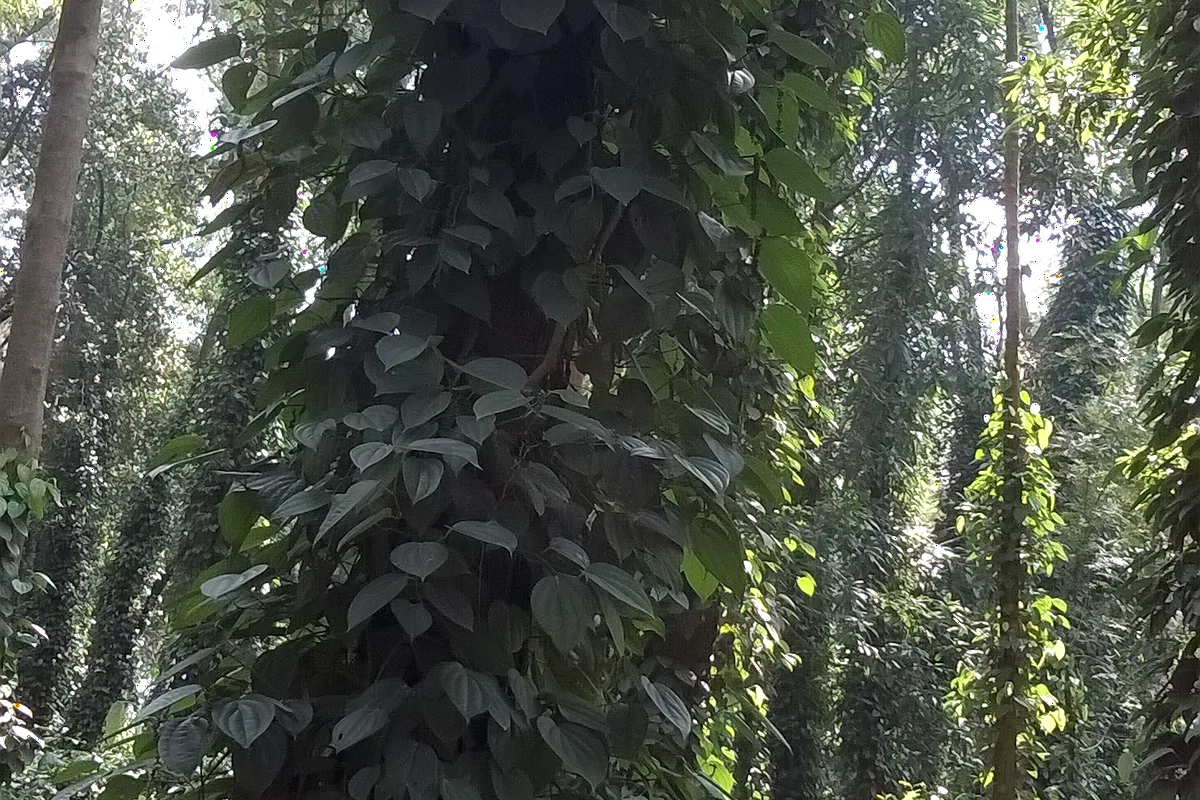
Understand the local landscape through turmeric, pepper, seasonal crops, forest-edge farming, and how agriculture shapes the Daringbadi region.
A guided, consent-first culture and rural-life route for understanding Kandhamal through local context, agriculture, crafts, and respectful village etiquette.
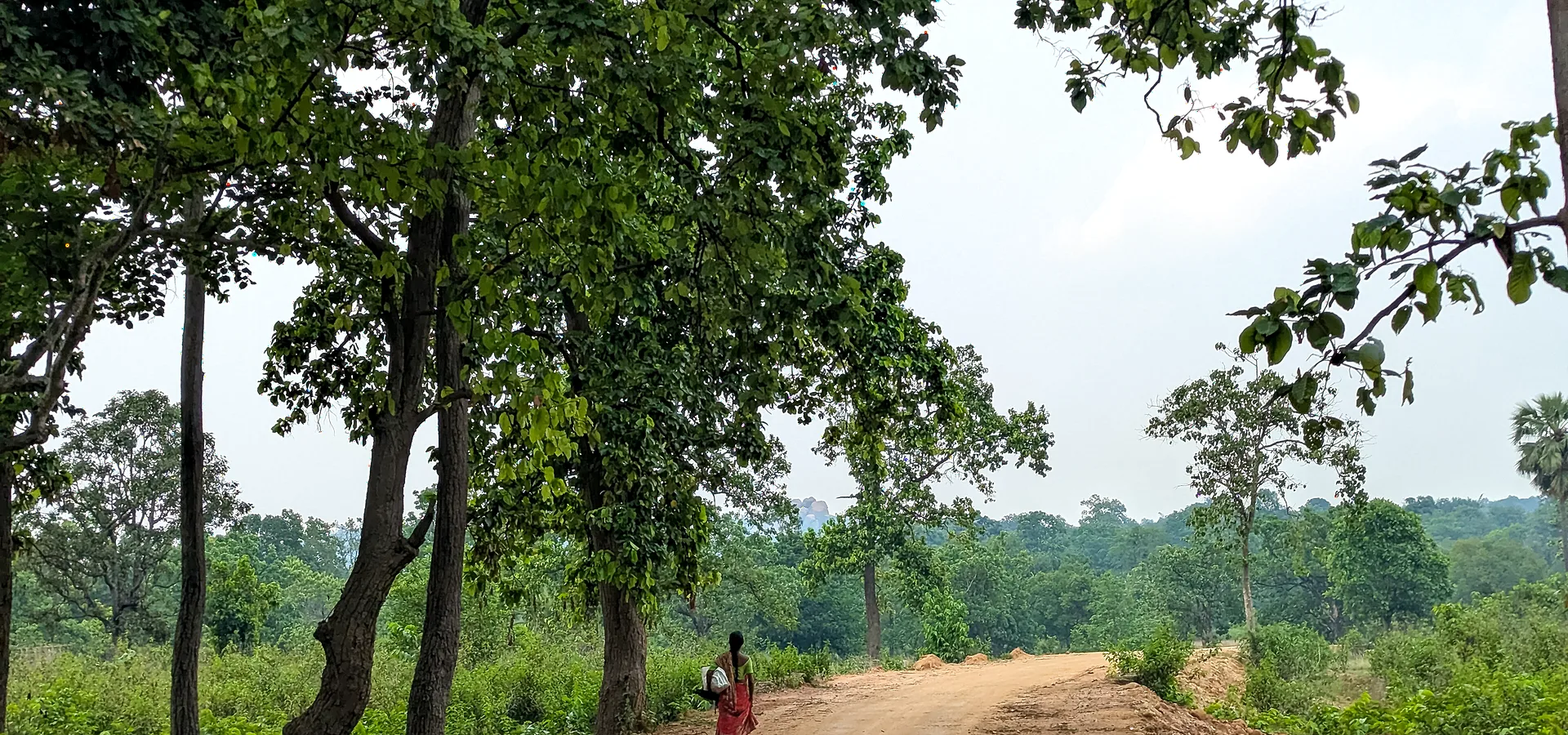
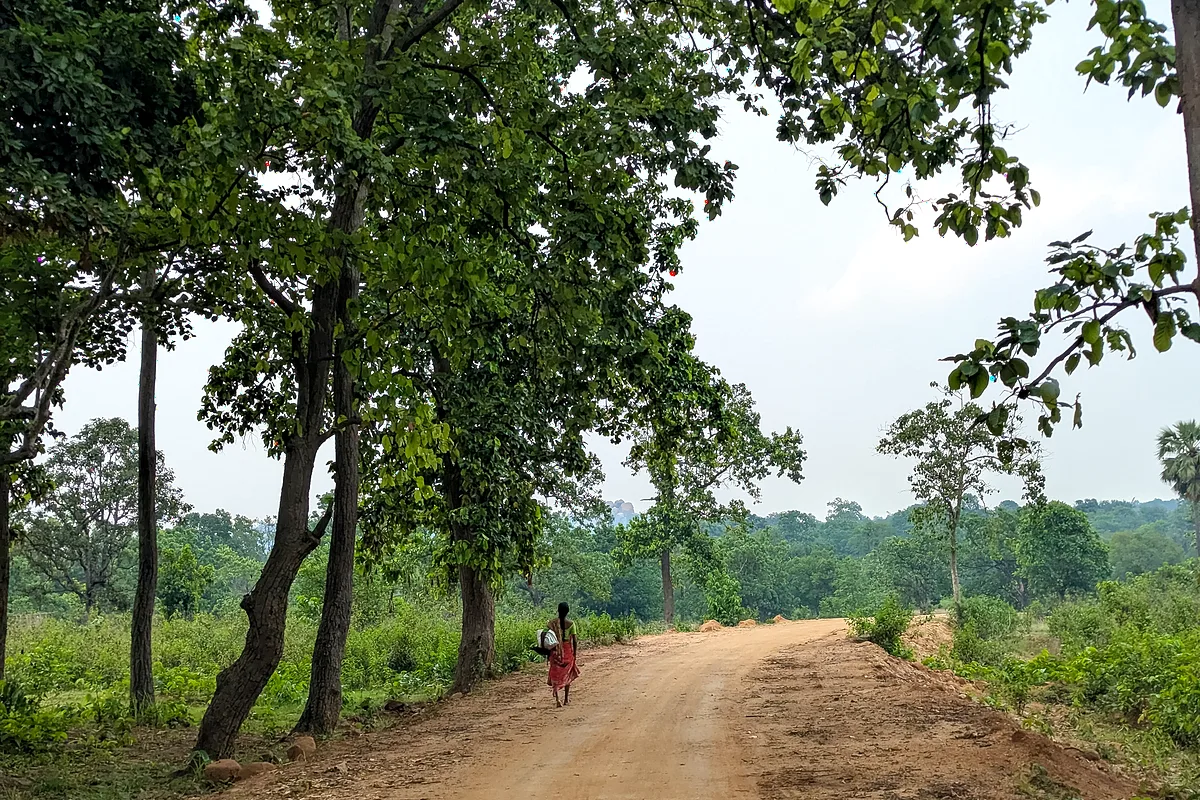
Tribal Villages is a responsible culture page for the Daringbadi-Belghar belt, where village visits should be guided, consent-based, and grounded in local life rather than staged sightseeing.
The route is best planned through local guidance because village access, photography comfort, language, events, and community expectations vary. The page now focuses on what a careful traveller can learn: Kandhamal agriculture, forest-edge settlement patterns, household craft context, local food, and the etiquette required before entering private spaces or photographing people.
Visit with local guidance to understand Kandhamal agriculture, crafts, food, forest-edge settlement patterns, and consent-first village etiquette.
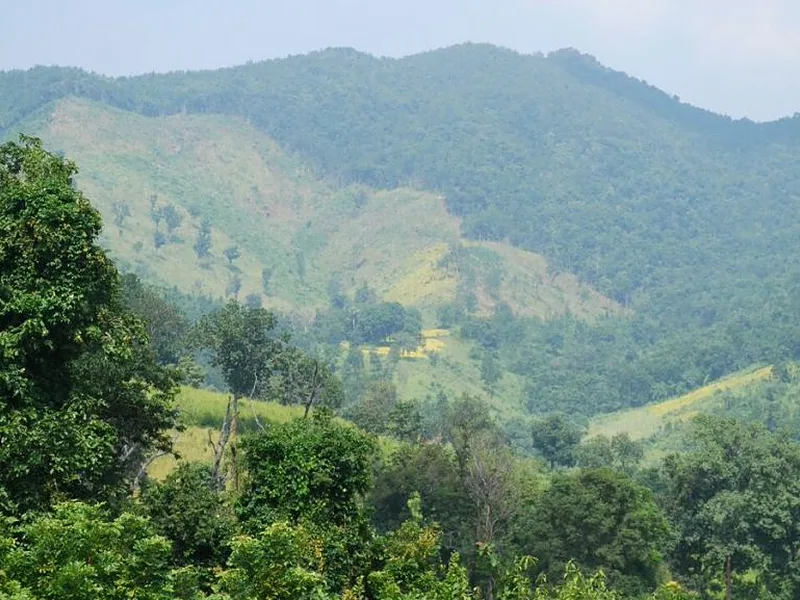
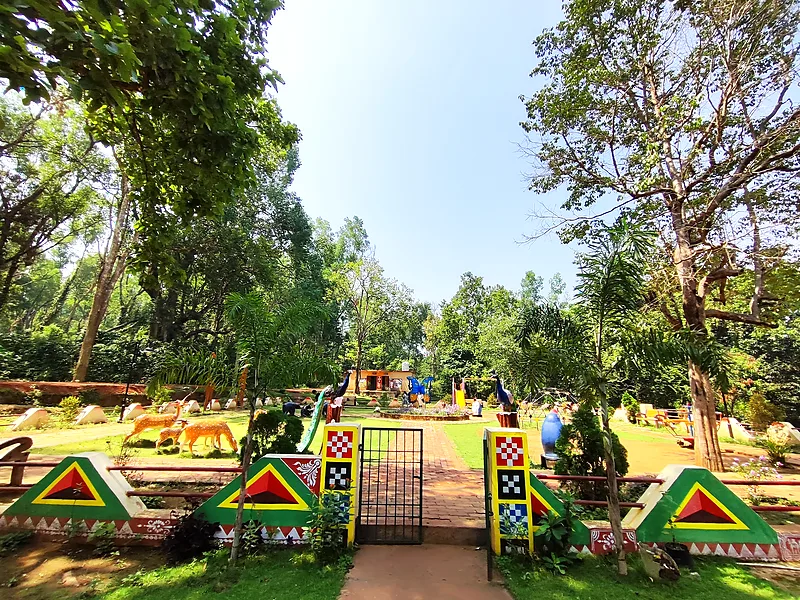
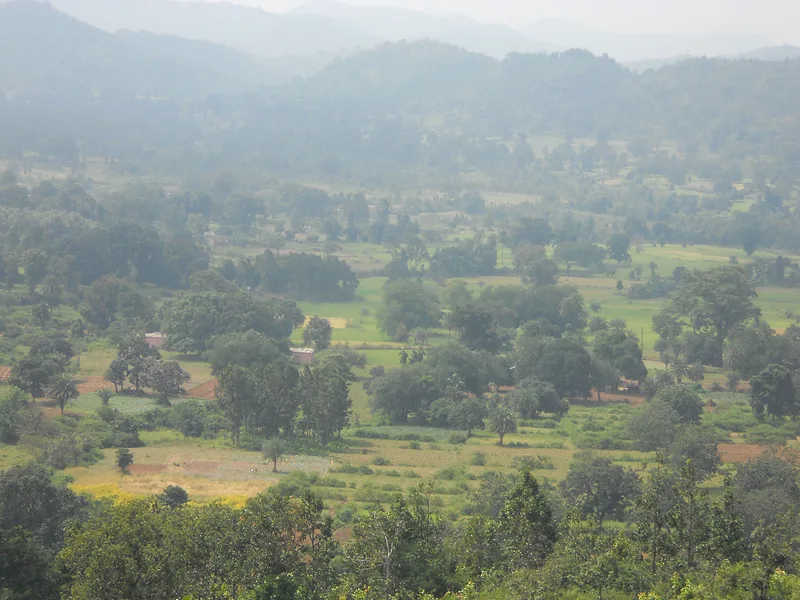
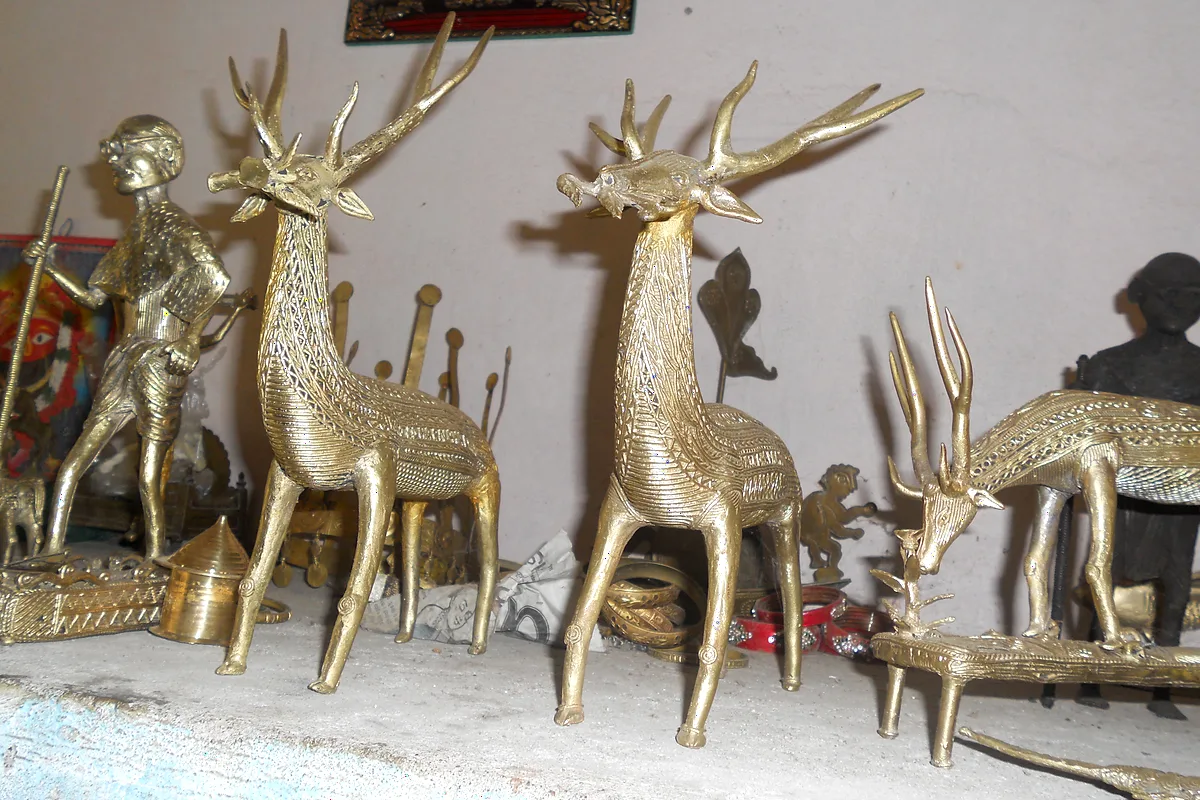
Landscape, craft, crop, and village-context imagery are used until a dedicated community-approved shoot exists.
Media creditsDaringbadi is promoted for cultural, tribal, and nature tourism, but a village route should never feel like casual observation of private lives. This page frames the experience around guided access, fair local exchange, and clear etiquette.
People, homes, rituals, and workspaces are private unless a host clearly says they can be photographed or entered.
Use a local guide or host who understands language, timing, community comfort, and routes that are appropriate for visitors.
Buy locally, pay fairly, keep groups small, and avoid turning daily life into a staged performance.
Understand the local landscape through turmeric, pepper, seasonal crops, forest-edge farming, and how agriculture shapes the Daringbadi region.
Use craft and object stories as respectful entry points into culture, without demanding private demonstrations or close portraits.
If hosted, keep the meal or tasting simple, paid, and pre-arranged so it supports residents instead of interrupting household work.
Connect the culture route with nearby nature stops while keeping Belghar and village visits planned as slower, permission-led experiences.
A good culture visit should be calm, hosted, and easy for residents to accept or decline.
Keep the route small and flexible so the host can adjust the visit around weather, work, and community comfort.
Check whether the route is appropriate that day and whether any private events, weather issues, or access restrictions apply.
Clarify where visitors can walk, what can be photographed, and whether people prefer no images at all.
Let the guide explain fields, forest-edge livelihoods, seasonal crops, craft objects, and local food without interrupting private work.
Pay agreed fees, buy locally when appropriate, and avoid posting images that remove context or dignity.
A guided visit is strongly recommended. A local guide or host can confirm whether the route is welcome, explain etiquette, and avoid accidental entry into private spaces.
Photography should be treated as permission-based. Ask before photographing people, homes, rituals, tools, fields, food preparation, or children; if there is any uncertainty, do not take the photo.
Focus on hosted context such as agriculture, spices, craft objects, food, landscape, and local guidance instead of intrusive portraits or staged scenes.
Coffee Garden, Belghar Sanctuary, Mandasaru Valley, and Pine Forest can pair well if the route is planned with enough time and local road guidance.
October to March is comfortable for village routes and nearby nature stops. Avoid visits during private community events unless a local host confirms that guests are welcome.
Use Daringbadi as the base and plan village routes through local guidance, especially if combining the visit with Belghar, Coffee Garden, Mandasaru Valley, or nature-camp stays.
Use the map as a starting point and confirm current access, timings, and road conditions before final travel.
A guided visit is strongly recommended. A local guide or host can confirm whether the route is welcome, explain etiquette, and avoid accidental entry into private spaces.
Photography should be treated as permission-based. Ask before photographing people, homes, rituals, tools, fields, food preparation, or children; if there is any uncertainty, do not take the photo.
Focus on hosted context such as agriculture, spices, craft objects, food, landscape, and local guidance instead of intrusive portraits or staged scenes.
Coffee Garden, Belghar Sanctuary, Mandasaru Valley, and Pine Forest can pair well if the route is planned with enough time and local road guidance.